Quick trip summary
- Duration:21 days / 20 nights (full-depth version — includes Sindh, Pothohar, Peshawar, Swat, Gilgit-Baltistan, Hunza & Baltistan).
- Trip style: Research + pilgrimage — scholarly lectures, site visits, village immersion, light treks, archival visits.
- Group size: recommended8–20 participants (can be adapted).
- Transport: mix of domestic flights (Karachi→Islamabad; Skardu→Islamabad), private coach/minivan for overland legs, local 4x4s where needed.
- Key site confirmations: Makli (UNESCO-listed necropolis), Taxila (major Gandharan museum/ruins), Takht-i-Bahi (UNESCO monastery), Butkara (Swat stupa complex), Kargah Buddha & Manthal rock carvings (northern rock-carvings).
Padmasambhava’s Birthplace & Historical Significance
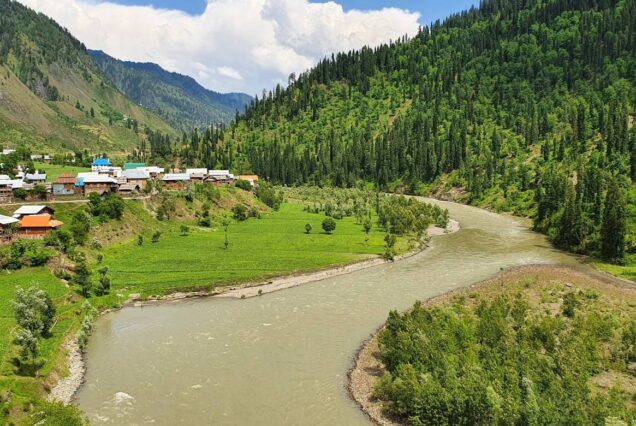
Padmasambhava’s birthplace is traditionally described as the ancient kingdom of Oddiyana (Uḍḍiyāna), widely identified with the modern-day Swat Valley in Pakistan. In Buddhist tradition, he is said to have miraculously appeared from a lotus flower in Lake Dhanakosha (the “Ocean of Milk”), rather than being born in a conventional way. He manifested as a divine child holding a vajra and a lotus, and was later adopted by King Indrabodhi, the ruler of Oddiyana.
According to some Buddhist texts and regional traditions, an alternative location associated with his early life or manifestation is the area where the Indus River meets the Arabian Sea. This region, known today as Keti Bandar, is a historic coastal settlement and former minor seaport in the Indus River Delta, Thatta District, Sindh. Because of these references, Keti Bandar is also included in our visit to explore its historical and cultural significance.
Padmasambhava (Guru Rinpoche), an 8th-century Buddhist master, is revered as the great teacher who introduced Vajrayana (Tantric Buddhism) to Tibet. He founded the Nyingma school, the oldest tradition of Tibetan Buddhism, and is honored as the “Second Buddha.” His legacy includes:
- Subduing local spirits and harmonizing indigenous beliefs
- Establishing major monasteries, most notablySamye Monastery
- Concealing sacred scriptures (terma) for future generations
Padmasambhava’s influence deeply shaped the spiritual heritage of Tibet, the Himalayas, and the broader Buddhist world
Logistics, Permits & Practical Notes
- Flights:Domestic legs (Karachi–Islamabad; Skardu–Islamabad) should be pre-booked with PIA/SereneAir/other carriers (seasonal reliability). Skardu flights subject to weather.
- Roads & passes:Karakoram and Babusar Pass routes are seasonal; check local conditions. High-altitude roads (Hunza–Skardu) require flexible timing.
- Permits:No special foreigner permit for Taxila/Makli/Butkara/Kargah in ordinary circumstances; for some sensitive areas (near borders) temporary check-post permits or NOC may be needed — Discovery Pakistan will coordinate.
- Local contacts:arrange meetings with museum curators (Taxila Museum, Swat Museum), and archaeology missions (Italian Archaeological Mission in Swat / Gilgit archival contacts). These should be scheduled before departure.
Accommodation & Transport (recommended standards)
- Cities: 4★ hotels (Karachi, Islamabad, Peshawar, Gilgit, Hunza) / Swat: local hotels in Mingora / Saidu Sharif
- Vehicles: air-conditioned coach for lowland legs; SUVs/4x4s for mountain segments. Driver + English-speaking guide + local site guide at major monuments.
Research & Pilgrimage Add-Ons (optional)
- Mini-seminars / guest lectures with local scholars (arrange 2–3 in advance).
- Photography & documentation workshop (field archiving).
- Short meditation/ritual session at selected stupas/caves (with local religious elders where appropriate).
- Extended archival request at Gilgit or Islamabad museums for manuscript viewing (advance permission required).
Health, Safety & Packing Checklist
- Altitude awareness: northern legs may exceed 2,500–3,000 m — acclimatize, avoid heavy exertion first 24–48 hrs.
- Medical: travel insurance with high-altitude/evacuation, basic first-aid kit, any personal meds.
- Clothing: layered clothing, waterproof jacket, good trekking shoes, sun protection, warm nights in Baltistan.
- Documentation: passport, photocopies, emergency contact list, vaccination card (as required).
- Respect: many sites are archaeological/protected — do not touch sculptures or climb on ruins; follow local guides and signage.
Deliverables from Discovery Pakistan (what you’ll receive)
- Printed tour dossier with site descriptions, maps, scholar bios.
- Digital field pack: high-res photos taken by guide (shared after trip), bibliographic list for each major site, suggested reading list on Padmasambhava & Gandharan art.
- Certificates of participation (research/pilgrimage).
Included/Excluded
- Professional Buddhist Heritage Guide
- All transport & sightseeing
- All museum/site entry fees
- Academic meetings & lectures (as available)
- 14 nights accommodation
- Daily breakfast & dinners
- Research documentation support
Tour Plan
- Arrival assistance, airport pickup, transfer toHotel Excelsior / Avari / Pearl Continental (options by preference).
- Welcome tea, orientation: trip objectives, briefing on sites & research focus (Padmasambhava links to Oddiyana/Swat & coastal references such as Keti Bandar).
- Light evening stroll (Sea View / Clifton). Overnight Karachi.
- Keti Bandar (visit & coastal survey)— historic Indus River mouth and old port traditions (field notes: maritime trade, local oral traditions linking coastal sites to broader Indus-era movements).
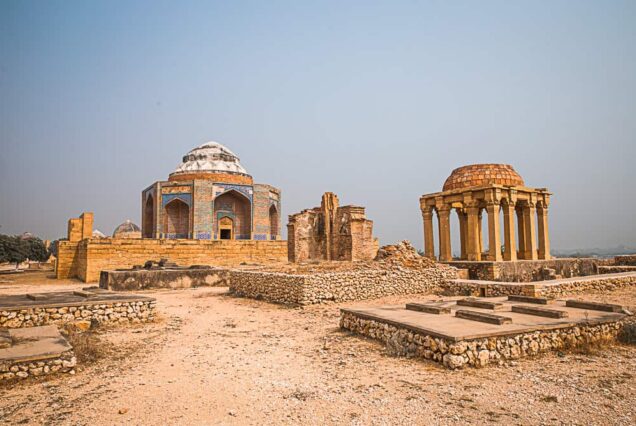
- Makli Necropolis (UNESCO)— guided tour of the tomb clusters, architectural styles, conservation issues; ideal for studying syncretic funerary motifs. UNESCO World Heritage Centre
- Bhambhore (Banbhore)— archaeological site identified by some scholars as ancient Debal; visit ruins, museum displays, and port remains.
- Return to Karachi. Overnight.
- Morning flight to Islamabad. Check-in; short city visit: Faisal Mosque (exterior), Margalla viewpoints, local bookshops for Gandharan scholarship. Overnight Islamabad.
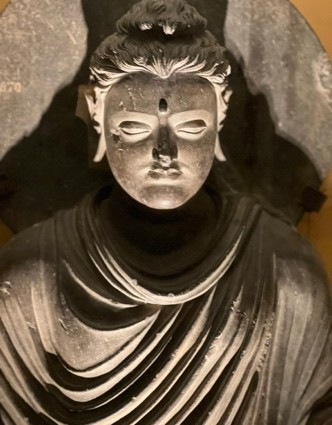
- Taxila Museum— curated lecture + guided viewing of Gandharan sculptures, reliquaries, and Kushan artifacts (excellent core collection for art-history work).
- Dharmarajika Stupa, Mohra Muradu, Sirkap archaeological city — site walk with notes on Indo-Greek & Kushan urbanism.
Jaulian monastic complex (stucco Buddhas, cells), Piplan excavations, andBhamala Stupa Complex (Haripur) — discussion on monastic layout and iconography.
- Drive/flight to Peshawar. VisitPeshawar Museum (Gandharan panels), Gor Khatri complex, and Sethi Havelis — cross-cultural trade & patronage lecture. Overnight Peshawar.
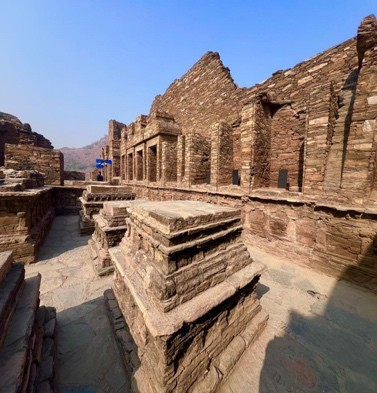
- Full-day guided exploration ofTakht-i-Bahi monastery, meditation halls, stupas, and nearby Sahr-i-Bahlol. In-depth session on monastic architecture and UNESCO conservation status. UNESCO World Heritage Centre
- Return to Peshawar. Overnight.
- Transfer to Swat. Afternoon: Swat Museum (Saidu Sharif) — overview of local finds; talk with local archaeologist (subject to availability). VisitButkara I stupa complex near Mingora (layers & votive stupas).
- Overnight Swat.
- Field visits:Shaldara / Bamboli, documented sculptural sites, Jahanabad Buddha rock-carved image. Meeting with regional heritage expert (arranged in advance). Overnight Swat.
- Barikot (ancient Bazira): excavation review, Hellenistic layers, site walk. Shingardara stupa & surrounding finds. Overnight Swat.
- Visits to local villages (Ningolai, Islampur shawl weaving), home-stay style hospitality, riverside lunch at Fizaghat, Mingora bazaar for handicrafts. Evening debrief. Overnight Swat.
- VisitAmluk-Dara stupa (documented by early explorers). Short hike to Elum Ghar midday/afternoon — sacred mountain with cross-traditional associations. Overnight Swat.
- Long scenic drive via Karakoram Highway corridors. Study session en route on petroglyphs & rock inscription zones (Shatial, Thor). Overnight Chilas.
- Travel to Gilgit. VisitKargah Buddha rock carving (approx. 50 ft standing Buddha) and Gilgit archival center for manuscript discussions.
- Evening group seminar: "Sources & manuscripts of northern Buddhism." Overnight Gilgit.
- Drive to Hunza; stops at Sacred Rocks of Hunza (Haldeikish), study of inscriptions and stupa remains along Silk Route. Evening lecture: Buddhism on the Silk Road. Overnight Karimabad.
- VisitGanish (UNESCO-honored village), Altit & Baltit Forts — cultural sequence from Buddhist to Islamic era; photography & documentation session. Overnight Hunza.
- Early departure for Baltistan. Scenic transect through mountain passes (season-dependent—Babusar/Silk Route). Evening arrival Skardu. Overnight.
- Manthal Buddha rock— large granite Buddha carving (7th–8th c. AD), on-site study of iconography & inscriptions; field recording session.
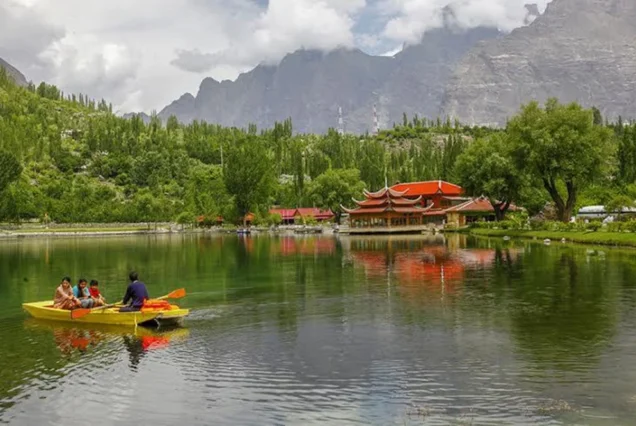
- VisitShigar Fort museum, walk Shigar Valley, Shangrila/Lower Kachura Lake; discuss Tibetan-linked artistic styles. Overnight Skardu.
- Morning transfer to Skardu Airport; fly to Islamabad (weather permitting). Free evening for research compilation. Overnight Islamabad.
- Time for library/research compilation, team presentations of field observations, final Q&A. Farewell dinner with local scholars/hosts. Overnight Islamabad.
- Morning at leisure (shopping Zainab Market / Centaurus / Dolmen). Airport transfer for international departures.


Reviews
There are no reviews yet.